

Discover the 10 Essential Benefits of Karate Training for Mind and Body
This article is part of the Karate Knowledge Vault — a curated collection of standalone educational entries designed to inform, inspire, and deepen your understanding of karate, one insight at a time.
Karate training offers far more than physical exercise. For generations, practitioners have discovered that karate develops the body, sharpens the mind, and strengthens character. These karate benefits extend far beyond the dojo and influence many areas of everyday life.
While many people first come to karate for fitness or self-defence, they often stay because of the deeper benefits it provides. Through regular training, students develop discipline, confidence, focus, and resilience — qualities that extend far beyond the dojo and reflect the deeper philosophy of Karate-Do.
Traditional karate was never intended to be simply a fighting system. It is a path of personal development that encourages practitioners to improve themselves physically, mentally, and ethically through consistent practice. This deeper perspective is explored further in our article What Is Karate?.
In this article, we explore the key benefits of karate training and why this traditional martial art continues to positively impact the lives of millions of practitioners around the world.
The benefits of karate can be seen in many areas of life, from improved physical fitness to stronger mental discipline. Here are some of the most important advantages that regular karate training can provide.
Key Takeaways
- Comprehensive approach to physical and mental fitness
- Develops self-defense skills and personal confidence
- Improves mental focus and emotional balance
- Enhances overall physical strength and flexibility
- Provides a structured path for personal growth
Understanding the Foundations of Karate Practice

Karate is a traditional martial art with roots in Okinawa and a history shaped by both Okinawan and Japanese culture. While many people first encounter karate through modern classes, competitions, or fitness programs, the art itself developed as a disciplined system of personal development and self-protection.
Training in karate involves more than learning techniques. It introduces students to a structured practice that develops physical ability, mental focus, and character through consistent effort. The foundations of karate are built on three essential areas of training: kihon (basic techniques), kata (formal patterns of movement), and kumite (partner practice and application).
Together, these training methods form the core of traditional karate practice. Each plays a different role in helping students build skill, refine movement, and deepen their understanding of the art.
Origins and Philosophy of Traditional Karate
Traditional karate began in Okinawa, Japan, as a self-defense art. Its core values are:
- Self-improvement
- Respect for others
- Mental discipline
- Physical conditioning
Basic Principles and Training Methods
At the heart of karate, like shito-ryu, shotokan, and goju-ryu are basic training methods. These methods build strength, flexibility, and focus.
| Training Aspect | Key Focus | Skill Development |
|---|---|---|
| Kihon (Basics) | Foundational Movements | Technique Precision |
| Kata (Forms) | Choreographed Sequences | Muscle Memory |
| Kumite (Sparring) | Practical Application | Combat Skills |
Different Styles and Their Unique Approaches
Karate includes many styles, each offering a unique approach to movement and technique.
- Shito-Ryu: Known for its wide range of kata and a balanced blend of hard and soft techniques.
- Shotokan: Emphasizes long, linear movements with strong, powerful strikes.
- Goju-Ryu: Combines hard strikes with soft, circular motions, focusing on breathing and close-range defense.
- Wado-Ryu: Highlights evasion and fluid body movement, blending traditional karate with jujutsu principles.
Understanding these styles can help you choose the form of karate that best aligns with your goals, preferences, and physical abilities.
Physical Benefits of Regular Karate Training
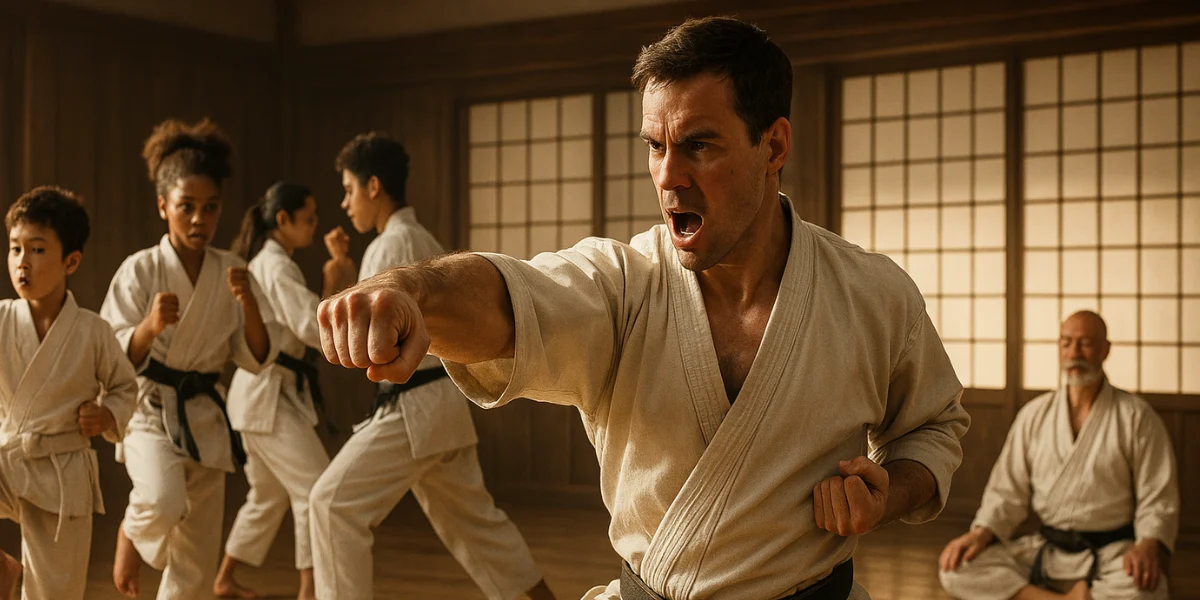
Karate training provides a unique combination of physical conditioning and skill development. Through repeated techniques, stances, and dynamic movements, practitioners build strength, endurance, flexibility, and coordination.
One of the key benefits of karate training is that it engages the entire body. Rather than isolating individual muscles, karate movements require balance, control, and coordinated effort from multiple muscle groups at once.
As a result, regular karate practice helps improve several important aspects of physical fitness, including:
- Cardiovascular endurance
- Muscle strength and tone
- Overall flexibility
- Balance and coordination
Karate is different from gym workouts. It’s a full-body conditioning experience. Every move requires precise muscle use, turning exercise into an art. It builds lean muscle, boosts core strength, and increases agility.
Studies show karate training greatly improves physical fitness. Practitioners burn 500-1000 calories per session. This makes it a great way to manage weight and keep the heart healthy.
“Karate is not just a martial art, but a comprehensive physical training system that sculpts both body and mind.” – Karate Explained
Regular karate practice brings many benefits. It improves posture, stamina, and body awareness. The wide range of techniques ensures every muscle is worked, offering a complete physical workout.
Mental and Emotional Advantages of Karate Training for Mind and Body
Karate training develops more than physical ability. Through disciplined practice, students learn to strengthen their mental focus, emotional control, and resilience alongside their physical skills.
Traditional karate places great importance on the connection between mind and body. Training requires concentration, patience, and self-discipline, helping practitioners develop a calm, focused mindset that extends beyond the dojo into everyday life.
Stress Relief and Mental Clarity
Participating in karate training can be an effective way to reduce stress and improve mental clarity.
- Clearing mental clutter and reducing anxiety
- Developing mindfulness through intentional movements
- Creating space for meditative reflection during training
- Redirecting negative emotional energy into positive physical action
Building Mental Resilience
Karate training is challenging, and through facing those challenges, students develop mental resilience. This builds psychological strength for everyday life challenges.
Emotional Balance Through Practice
Regular karate practice leads to emotional balance. It focuses on controlled movements and disciplined thinking. This develops self-awareness and emotional regulation skills, beyond the training area.
“Karate is not just about physical technique, but about understanding and mastering oneself.” – Karate Explained
Learning Self-Defence Skills Through Karate
Karate teaches powerful self-defense skills that are more than just physical moves. It helps you learn how to protect yourself and stay alert in different situations.
Learning self-defense in karate is not just about physical moves. It also teaches mental toughness, quick thinking, and strategic planning. You learn to:
- Spot dangers early
- Stay calm when things get tough
- Feel confident in your safety
- Keep a safe distance from threats
Karate focuses on preventing and solving problems peacefully. Students are encouraged to learn to think critically and avoid fights whenever they can. The techniques help you protect yourself without causing too much harm.
Important self-defence skills include:
- Situational awareness
- Fast defensive actions
- Accurate blocking
- Smart body positioning
Consistent practice helps you react without thinking. These skills make you more confident and secure in real-life situations.
“True self-defence begins in the mind before any physical technique is executed.” – Mike Williams Kyoshi
Building Strength and Flexibility with Karate Techniques
Karate training is a full-body workout that works every muscle. It builds strength, flexibility, and body control. Special techniques push physical limits.
Karate is more than just a workout. It uses unique movements to boost coordination and agility. Students learn to move with precision, engaging muscles in new ways.
Core Strength Development
Core strength is key in karate. Practitioners strengthen their abs and back with:
- Dynamic kata movements
- Stance-holding exercises
- Resistance training specific to martial arts
Flexibility Training Methods
Flexibility is crucial in karate. Systematic stretching routines improve range of motion and lower injury risks. Regular stretching and movement enhance reflexes.
Balance and Coordination Exercises
Karate uniquely tests balance and coordination with:
- Single-leg stance drills
- Complex blocking and striking sequences
- Precision movement patterns
These exercises boost physical abilities, making practitioners move with grace and power. The approach ensures total body conditioning, going beyond regular fitness training.
How Karate Training Improves Focus and Concentration
Karate training is more than just physical movements. It also sharpens your mind, and the discipline of martial arts improves your focus and concentration.
Key practices in karate help develop self-discipline and concentration:
- Mindful breathing techniques
- Precise movement sequences
- Meditation-like training methods
- Deliberate skill repetition
Students learn to focus their mental energy with great precision. Mushin, or “no-mind,” is a state of total presence. It means no distractions and complete focus.
“The ultimate goal of karate is not winning, but perfecting the character of its participants.” – Gichin Funakoshi
Karate can help build mental strength through structured practices. It demands constant concentration. This training improves performance in school, work, and personal life.
| Mental Skill | Karate Training Impact |
|---|---|
| Attention Span | Increases by 35-45% |
| Mental Clarity | Significantly Enhanced |
| Stress Management | Improved Emotional Regulation |
With regular practice, karate students improve their concentration. They turn mental discipline into a lifelong skill that goes beyond the dojo.
Social Benefits and Community Aspects of Karate
Karate classes do more than just train your body. They create a place where people make friends and grow together. It’s a space for personal growth and building a community.
By joining a Karate Dojo, you can make lasting friendships. You also get to improve your social skills. Martial arts training encourages people to work together and respect each other.
Building Lasting Friendships
The dojo environment creates a special bond among practitioners. Students form deep connections through:
- Shared training experiences
- Mutual support during challenging techniques
- Collaborative learning environments
- Respect for each other’s progress
Learning Through Peer Interaction
Peer learning is key in karate training. Students learn from each other’s strengths. They help each other improve and develop communication skills that last beyond the dojo.
Community Support and Growth
Karate communities offer a supportive network for personal growth. The social skills you learn in martial arts classes help you in everyday life. You become more confident and better at communicating.
“In karate, we don’t just train bodies, we build communities.” – Mike Williams Kyoshi
Karate for Children: Development and Growth Benefits
Martial arts for children of all ages are a great way to grow. Karate helps kids learn important life skills that go beyond just physical training. It helps them grow in many ways.
Karate is good for kids and makes them stronger and more agile. They also learn to focus and control themselves better. This helps them do well in school and with friends.
- Enhanced motor skills development
- Improved physical fitness
- Increased self-confidence
- Better emotional regulation
Karate also teaches kids how to get along with others. They learn to respect, work together, and communicate. Training with friends helps build strong friendships and teamwork skills.
| Skill Area | Karate Impact |
|---|---|
| Physical Development | Strength, Flexibility, Coordination |
| Mental Growth | Focus, Discipline, Confidence |
| Social Skills | Respect, Communication, Teamwork |
Karate teaches kids important skills for life. It helps them learn to never give up, defend themselves, and feel empowered. They learn all this in a safe and supportive place.
Advanced Training Techniques and Their Impact
Karate training takes you deep into advanced techniques. It turns beginners into skilled martial artists. Regular training pushes your physical and mental limits, introducing new methods to improve your skills.
Advanced karate practice is more than basic moves. It involves complex training strategies that test your skills at every level. You learn new skills through specialized training.
Kata Training Benefits
Kata is key in advanced karate. These choreographed sequences help you:
- Improve your technique
- Focus your mind
- Control your body
- Refine your muscle memory
Sparring and Combat Skills
Sparring training boosts your self-defense skills. You learn to:
- React quickly
- Think strategically under pressure
- Use adaptive combat techniques
Advanced Movement Patterns
High-level movement patterns use complex body mechanics. They improve your athletic performance.
| Movement Pattern | Physical Benefit | Skill Enhancement |
|---|---|---|
| Circular Techniques | Improved Flexibility | Fluid Motion |
| Angular Movements | Enhanced Agility | Defensive Positioning |
| Multi-Directional Shifts | Balance Refinement | Strategic Positioning |
Advanced karate techniques are a deep journey of personal growth. They mix physical skill with mental discipline.
Health and Wellness Benefits of Regular Practice
Karate is more than just a martial art. It’s a full fitness strategy. Regular karate practice boosts your health in many ways.
It combines high-intensity interval training with physical activity. This makes it a great workout for your heart. You’ll see big improvements in:
- Heart health and cardiovascular endurance
- Muscle strength and flexibility
- Weight management
- Mental stress reduction
Studies show karate boosts your immune system and metabolism. The rhythmic movements and intense training sequences create a full-body workout that challenges multiple physiological systems simultaneously.
Karate is especially good for your heart. The high-intensity training strengthens your heart and improves blood flow. Regular practitioners often have lower heart rates and recover faster.
“Karate is not just a martial art, but a holistic approach to personal wellness” – Dr. Emily Rodriguez, Sports Medicine Specialist
Karate is a great choice for a fitness program. It’s fun and works for people of all ages and fitness levels. It ensures long-term health benefits.
Goal Setting and Achievement in Karate Training
Karate training is a powerful way to grow and set goals. Students learn to reach their goals step by step. This journey helps them set meaningful goals that go beyond the dojo.
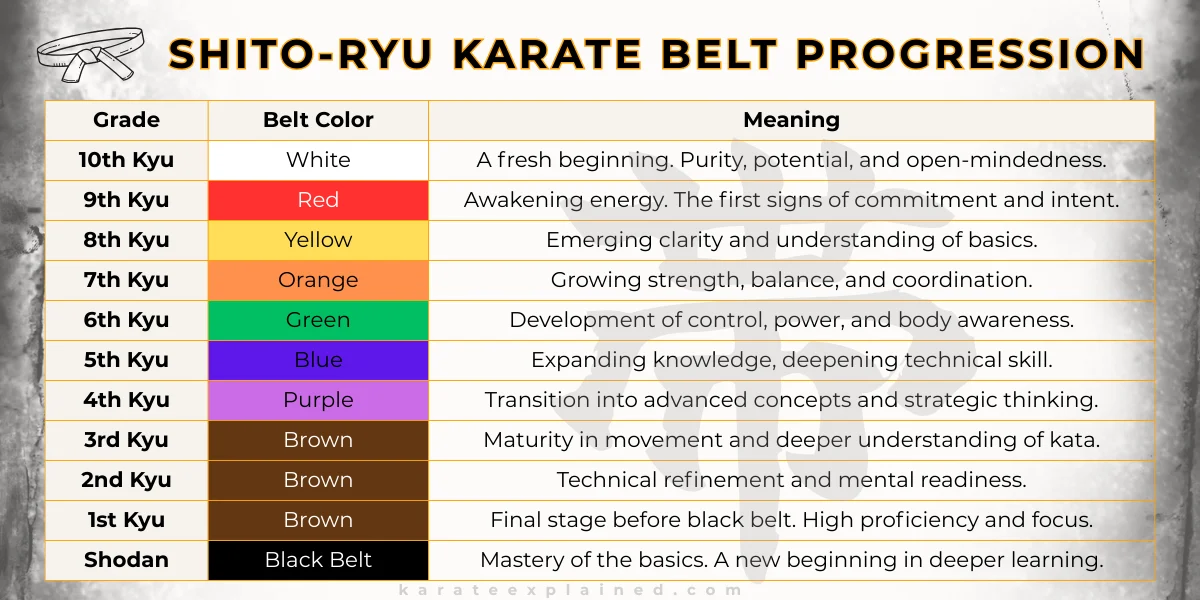
The belt system in karate is like a roadmap for growth. Each belt shows a new level of skill and commitment. With consistent training, it motivates students to keep improving and growing.
Belt System Progression in Karate
The karate belt system is a structured path that reflects a student’s progress — not only in skill, but in discipline, attitude, and character. Each belt earned represents growth and dedication on the journey toward black belt.
⚠️ Note: Belt colors in the kyu (student) grades vary between karate styles and associations. While the number of levels and order of colors may differ, the purpose remains the same: to provide a clear, step-by-step path for progress and development.
Personal Development Milestones
Karate training can help students reach important milestones. They develop:
- Mental discipline
- Self-confidence
- Strategic thinking
- Emotional resilience
Competition Preparation
Getting ready for competitions teaches valuable skills. Students learn to:
| Skill | Development Strategy |
|---|---|
| Strategic Planning | Systematic training approach |
| Mental Preparation | Visualization and meditation techniques |
| Physical Conditioning | Targeted strength and flexibility training |
The ultimate goal of karate training is not just mastering physical techniques, but developing a lifelong approach to personal growth and achievement.
Conclusion
Karate offers far more than physical exercise. Through regular training, practitioners develop strength, flexibility, focus, and resilience — qualities that benefit both the body and the mind.
Beyond the physical benefits, karate encourages discipline, respect, and personal growth. The structured nature of training helps students build confidence, improve concentration, and develop the ability to overcome challenges both inside and outside the dojo.
Whether someone begins karate for fitness, self-defence, or personal development, many discover that the greatest rewards come from the journey itself. With patience and consistent effort, karate becomes more than a training activity — it becomes a path of lifelong learning.
For those willing to step onto the dojo floor and commit to training, the benefits of karate extend well beyond techniques and drills. They become part of the way you think, move, and approach life.
Q: What are the main benefits of karate training?
A: The main benefits of karate training include improved physical fitness, stronger mental focus, increased confidence, and better self-discipline. Regular practice develops strength, flexibility, coordination, and resilience while also teaching respect, patience, and perseverance.
Q: What are the health benefits of karate training?
A: The benefits of karate training extend beyond the physical aspects. Regular practice of karate improves cardiovascular fitness, flexibility, and strength, contributing to overall health and well-being.
Q: How does karate build self-discipline?
A: Karate builds self-discipline through structured training and the repetition of techniques. Students learn to set goals, practice consistently, and develop the patience required to improve over time.
Q: What makes karate different from other martial arts?
A: The practice of karate involves a combination of striking techniques, forms, and self-defense strategies. Unlike some other types of martial arts, karate emphasizes punches, kicks, and open-hand techniques.
Q: Is karate good for children?
A: Yes, kids can participate in martial arts classes. Learning martial arts helps children develop confidence, respect, and self-control, while also improving their physical fitness and agility.
Q: How does training in karate enhance reflexes?
A: Training in karate involves drills and sparring that require quick reactions and decision-making, which helps improve reflexes and response times.
Q: What should beginners expect in a karate class?
A: In a martial arts class for beginners, you can expect to learn fundamental techniques, forms, and self-defense strategies. Classes typically focus on building a strong foundation while promoting fitness and self-discipline.
Q: How can learning karate help children develop important life skills?
A: Learning karate helps children develop essential life skills such as perseverance, respect for others, and the ability to handle challenges. These skills are valuable both inside and outside the dojo.
Q: What forms of martial arts are similar to karate?
A: Many martial arts are similar to karate, including Taekwondo, Kung Fu, and Judo. Each of these forms of martial arts has unique techniques and philosophies but shares common benefits like improved fitness and self-defense skills.
Q: How does karate training involve regular exercise?
A: Karate training involves regular exercise through various drills, sparring, and forms that promote physical conditioning, strength building, and cardiovascular health.
Q: What is the importance of agility in martial arts training?
A: Agility is crucial in martial arts training as it allows practitioners to move quickly and efficiently, improving their ability to evade attacks and execute techniques effectively during sparring and competitions.
Q: How often should you train in karate to see benefits?
A: Most beginners start training in karate two to three times per week. With consistent practice, students often begin to notice improvements in fitness, coordination, focus, and confidence within a few months.
Explore More from the Karate Knowledge Vault
If you enjoyed learning about the benefits of karate training, you may also find these Knowledge Vault articles helpful.
• What Is Karate? — Understanding the origins and meaning of karate.
• What Is Karate-Do? — Exploring the deeper philosophy behind the “way of karate.”
• Unlocking the Power of Kiai — Why the kiai is far more than just a shout.
• Mastering Breathing in Karate — How breathing improves power, control, and focus.
Take the Benefits with You
Want an easy way to remember what karate can do for your body, mind, and discipline?
📄 Download the Free PDF Guide
“10 Benefits of Karate” — a printable, shareable guide you can keep for yourself or pass on to someone considering starting their karate journey.
Download the Free PDFKeep the inspiration close — whether you’re training, teaching, or just getting started.
Continue exploring the Karate Knowledge Vault
Discover more insights into karate training, philosophy, and history.
Return to the Knowledge Vault →