

Mabuni Kenzo Soke – Preserving the Legacy of Shito-Ryu Karate
Karate History · Mabuni Lineage
The Passing of Mabuni Kenzo Soke – Legacy, Lineage, and the 2005 Memorial Taikai
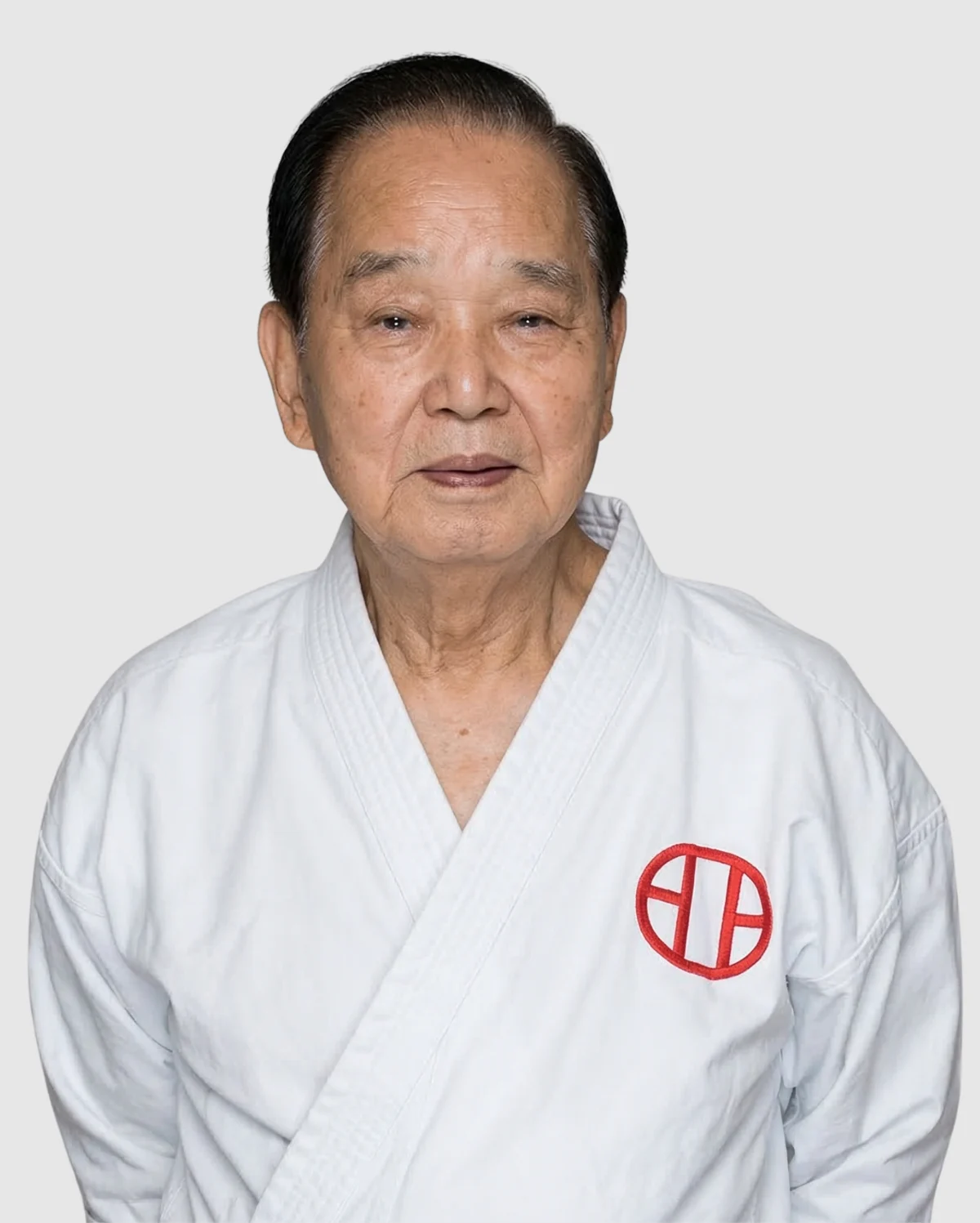
On 26 June 2005, Mabuni Kenzo Soke, the second Soke of Shito-Ryu and son of founder Mabuni Kenwa, passed away after a lifetime devoted to preserving his father’s karate. In the weeks that followed, the international Shito-Ryu community gathered in Osaka for what became a memorial Taikai — a powerful expression of respect, continuity, and lineage.
Historical Record
This article is based on historical material originally published following the passing of Mabuni Kenzo Soke. The original article was translated into Japanese by Sakai Kazuo Shihan and approved in Japan before publication.
The Son of the Founder
To understand the significance of Mabuni Kenzo Soke’s passing, it is important to appreciate the role he held within Shito-Ryu history. As the son of Mabuni Kenwa, founder of Shito-Ryu Karate-Do, Mabuni Kenzo inherited not only a name, but also the responsibility of preserving a complete karate tradition.
He dedicated his life to maintaining the syllabus handed down by his father and ensuring that the technical, cultural, and moral principles of the system were carried forward correctly. Through the Nihon Karate-Do Kai and the Shito-Ryu International Karate-Do Kai, he oversaw the continuation of that lineage both in Japan and internationally.
Preserving the Original Shito-Ryu
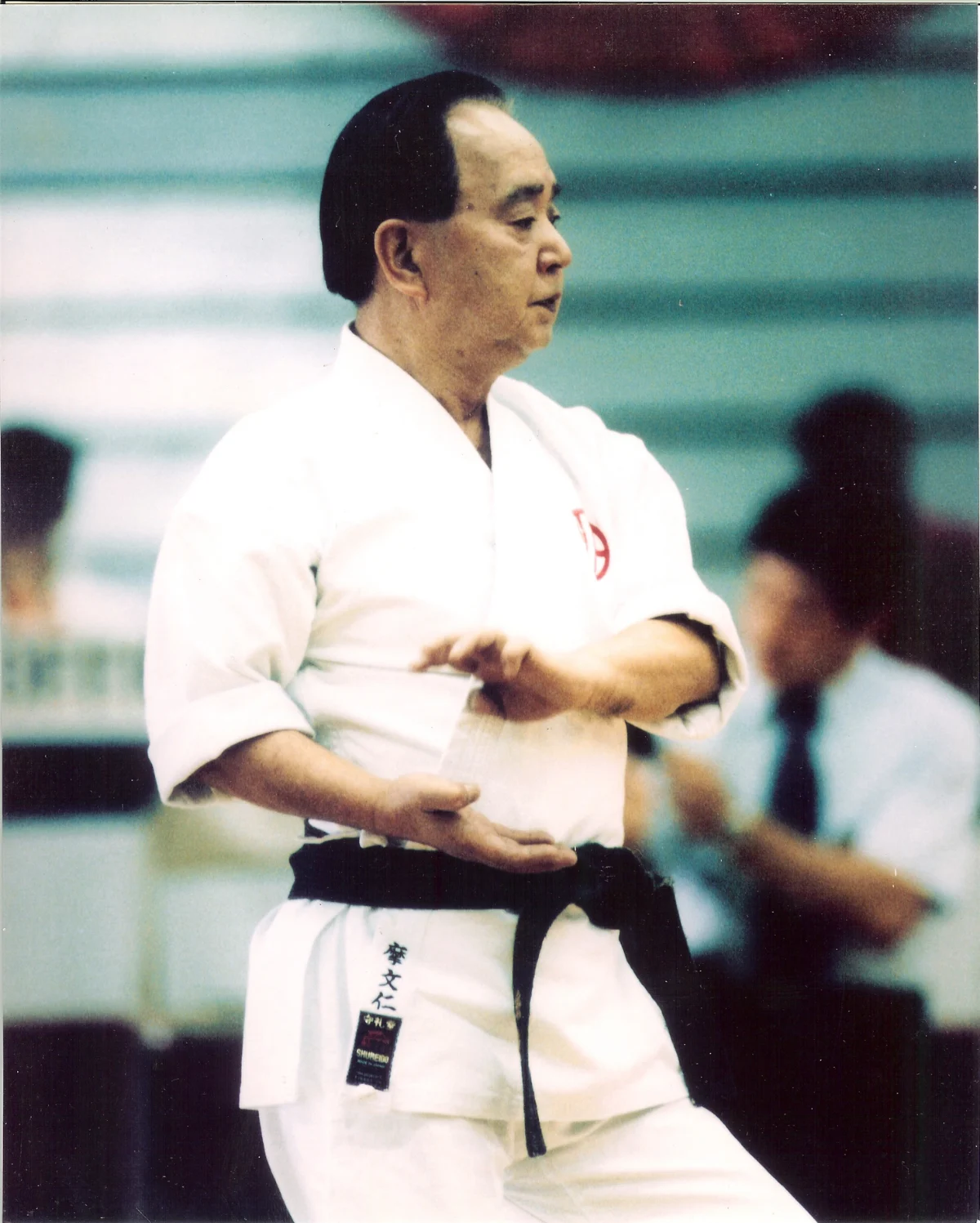
Mabuni Kenzo Soke was known for his deep commitment to kata as the essence of karate. His training philosophy reflected the principles handed down by his father, with strong emphasis placed on correct basics, posture, breathing, stance, bunkai, awareness, and repetition.
His approach was not driven by image or politics, but by preservation. Those who trained within his organisation understood that the purpose was not to reinvent karate, but to transmit it faithfully.
This dedication gave his teaching a distinctive character: disciplined, methodical, and rooted in a direct line back to Mabuni Kenwa.
A Lifetime of Dedication
Even in his later years, Mabuni Kenzo Soke continued to guide students and senior instructors. His influence extended well beyond Japan, with official representatives appointed in countries around the world and international students travelling to Osaka to learn directly from the source.
He remained committed to ensuring that high standards were maintained and that the original syllabus of his father was preserved with care. That commitment shaped not only the technical standard of the organisation, but also its spirit.
The Passing of a Master
On 26 June 2005, Mabuni Kenzo Soke passed away in Osaka. His death marked the end of an era for many within traditional Shito-Ryu. For students, instructors, and representatives around the world, it was a moment of profound loss — not only because of his position, but because of the steady and humble way he had carried his father’s legacy.
Yet even in that moment of sorrow, the values he embodied remained clear: duty, continuity, and faithful transmission of karate-do.
Funeral and International Tribute
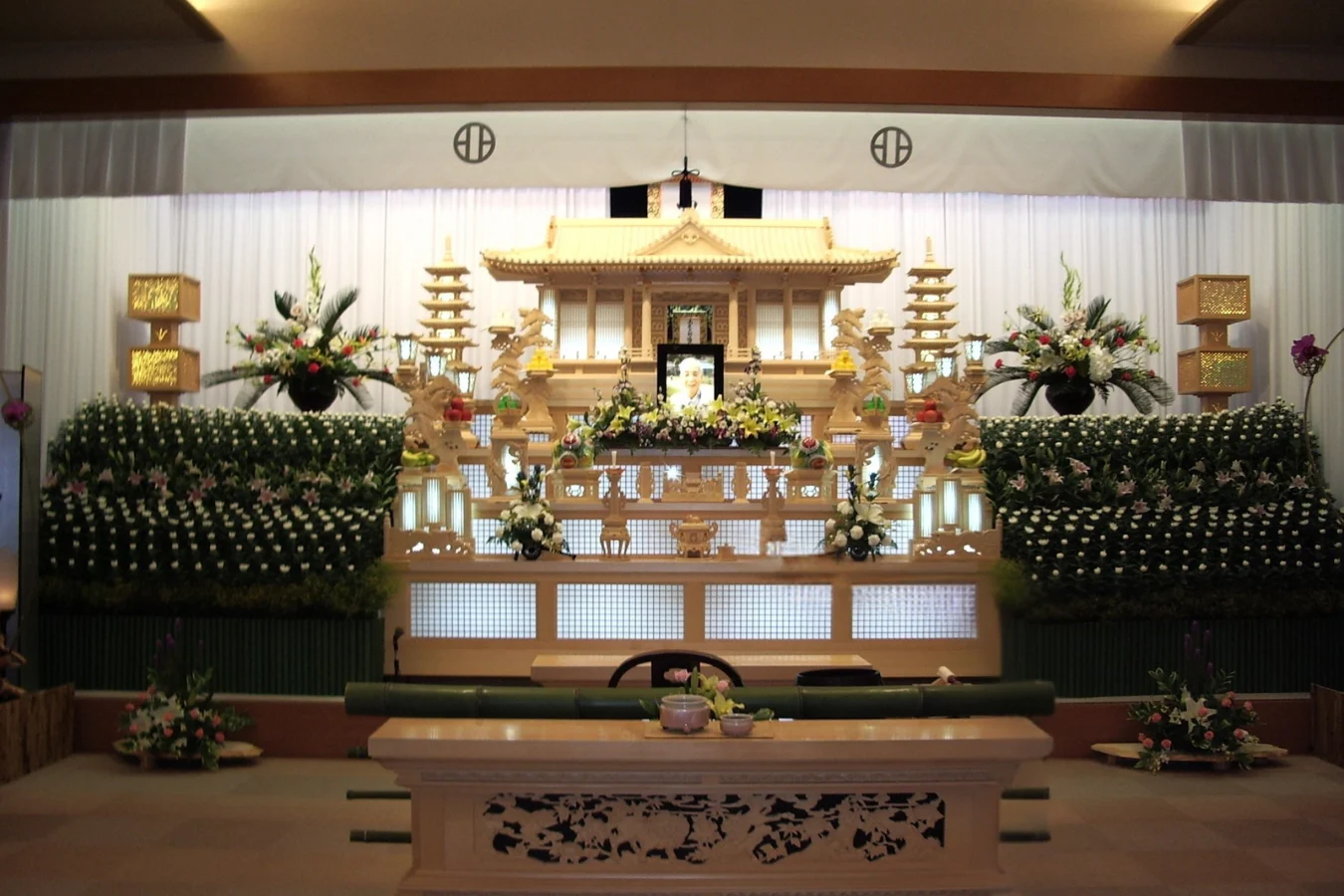
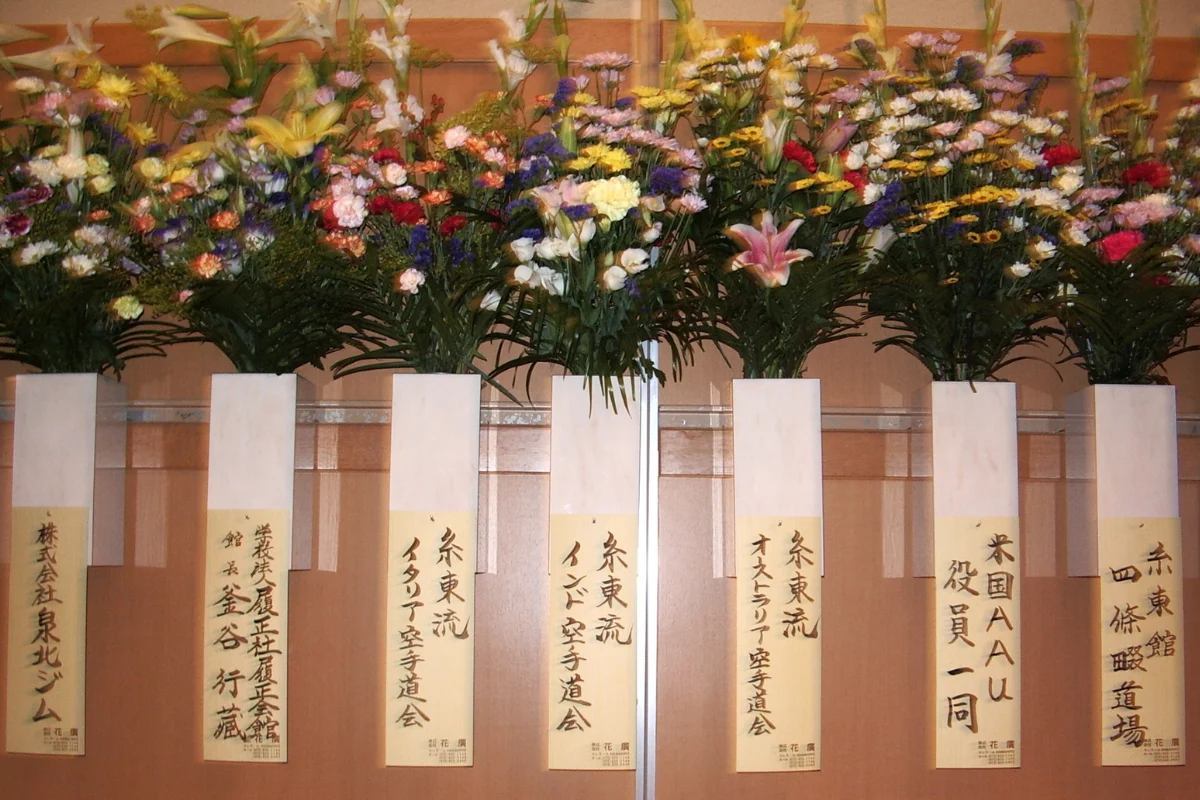
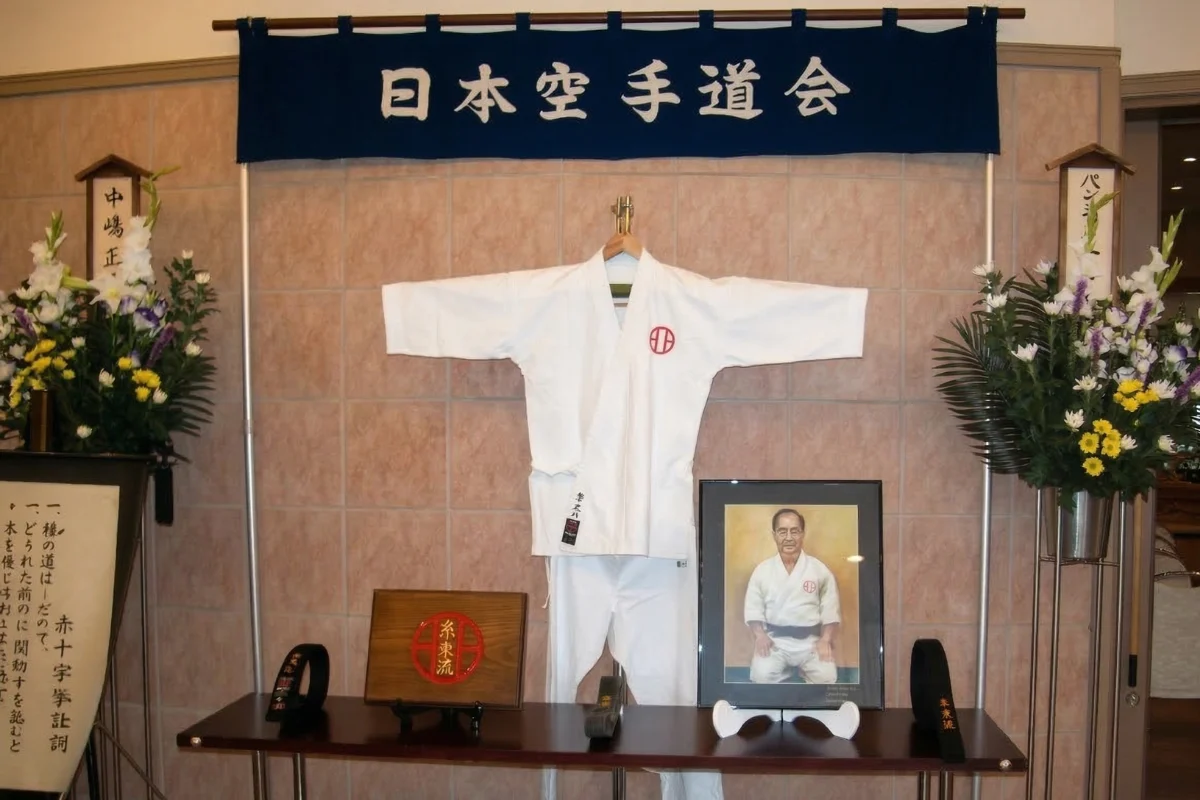
A traditional Buddhist funeral service for Mabuni Kenzo Soke was held in Osaka on 29 June 2005. The ceremony reflected both dignity and deep respect. A large shrine with a photograph of Mabuni Kenzo Soke stood at the front, while floral tributes from organisations around the world lined the space.
His karate karate dogi and belt were also displayed, and tributes were delivered by senior Shihans from Japan and overseas. The ceremony made clear the impact he had on generations of karate practitioners and the esteem in which he was held.
From International Taikai to Memorial Taikai
The International Taikai scheduled for Osaka in July 2005 had already been planned as part of the organisation’s regular four-year cycle. I attended that Taikai, and in the wake of Mabuni Kenzo Soke’s passing the month before, it became a memorial Taikai.
What had originally been arranged as an international gathering for training, friendship, and shared purpose took on a much deeper meaning. It became a tribute to Mabuni Kenzo Soke’s life, his leadership, and the legacy he had carried forward on behalf of his father.
That experience reinforced something important: while the passing of a master marks the end of one chapter, the duty to preserve and continue the art remains.
The Lineage Continues
Following Mabuni Kenzo Soke’s passing, the continuation of the Mabuni family lineage was affirmed. This was an important moment, not only for the organisation in Japan, but for all those internationally who looked to the Mabuni family as custodians of the tradition founded by Mabuni Kenwa.
In that sense, the story did not end with loss alone. It also carried a clear message of continuity, responsibility, and commitment to the next generation.
A Personal Reflection
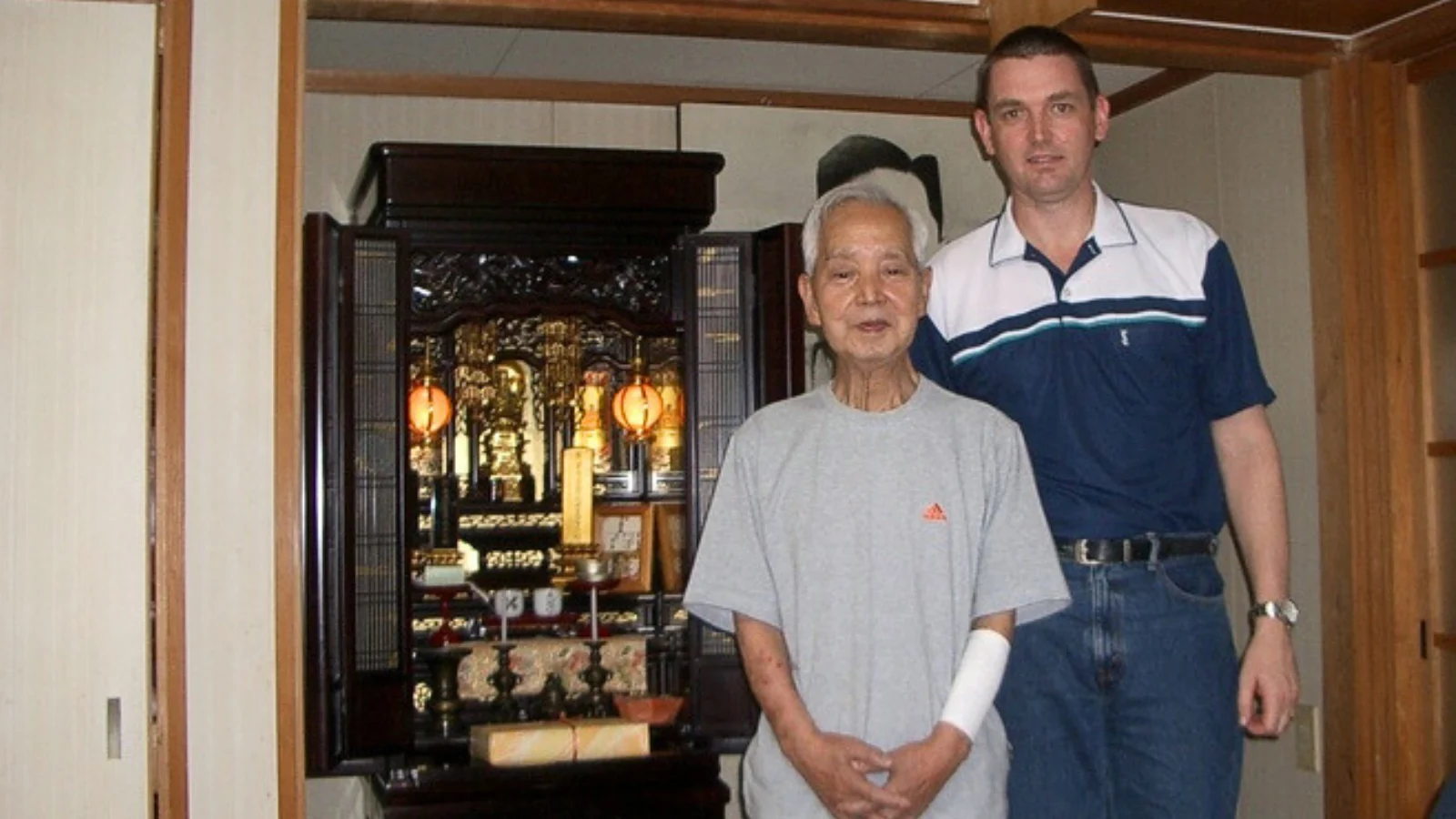
For me, this was not simply a historical event observed from a distance. Having met Mabuni Kenzo Soke during an earlier visit to Japan — an experience I describe in detail in the article When I Met Mabuni Kenzo Soke — and later attending the 2005 Taikai in Osaka, the experience carried personal significance.
What stood out most was not only the respect shown to him, but the quiet strength of the tradition he had protected. The memorial Taikai was a reminder that karate is larger than any one individual, yet it is shaped profoundly by the character of those entrusted to preserve it.
Mabuni Kenzo Soke’s passing marked the end of an era, but the continuation of the lineage and the spirit of the memorial Taikai demonstrated clearly that his father’s karate would continue.
Historical Archive
This article has been adapted into a modern web format for Karate Explained. The original published article is preserved as a historical archive document connected to this event.
Share Now & Help Others Learn!
Enjoyed this article? Continue your journey inside the Karate Explained Community.
Join free to access discussions, early releases, and member-only insights — all designed to support your growth on and off the dojo floor
Forever a Student. Forever improving